Why Hybrid Work Data Matters
Understanding hybrid work trends is not about following fads — it is about making informed decisions that affect your real estate budget, employee satisfaction, and operational efficiency. The following statistics, drawn from industry reports and workplace surveys in 2025-2026, provide the data foundation for smart workspace management decisions.
Office Attendance Trends
- 68% of companies now operate a hybrid work model, up from 51% in 2023. Fully remote has dropped to 12%, and fully in-office has stabilized at 20%. (Source: JLL Global Real Estate Trends 2026)
- Average office attendance is 55-65% of pre-pandemic levels on peak days (Tuesday-Thursday) and 25-35% on Mondays and Fridays. (Source: Kastle Systems Barometer)
- Tuesday is the busiest office day across all industries, with average attendance reaching 72% of capacity. Wednesday follows at 68%, Thursday at 61%. (Source: CBRE Occupancy Index)
- Only 18% of employees want to be in the office 5 days a week. 56% prefer 2-3 office days, and 26% prefer fully remote. (Source: Gallup Workplace Survey 2026)
- Companies mandating 3+ office days/week report 23% higher voluntary turnover than those with flexible policies. (Source: SHRM Retention Report)
Desk Utilization and Real Estate
- Average desk utilization in offices without a booking system is 42%. With desk booking software, utilization rises to 68-78%. (Source: JLL Smart Buildings Report)
- 30% of desks sit empty on an average day even in 'full' offices because of meetings, sick days, PTO, and travel. (Source: Density Workplace Index)
- Companies using desk booking software reduce their real estate footprint by an average of 24% within 18 months. (Source: CBRE Occupancy Analytics)
- The average cost per desk per year is $18,000 in major US cities (including rent, utilities, maintenance, and amenities). An underutilized 200-desk office wastes $1.08 million annually at 40% utilization. (Source: Cushman & Wakefield)
- 84% of facility managers say occupancy data from desk booking platforms has directly influenced real estate decisions. (Source: IFMA Technology Survey)
Employee Preferences and Satisfaction
- 73% of employees say the ability to book a desk before commuting is 'very important' to their decision to come to the office. (Source: Leesman Workplace Experience)
- 67% of hybrid workers report that knowing which colleagues will be in the office influences which days they choose to come in. (Source: Microsoft Work Trend Index)
- 55% of employees say they would come to the office more often if they could guarantee a desk near their team. (Source: Slack Future of Work Study)
- 41% of hybrid workers have commuted to the office only to find no suitable workspace available. (Source: Appspace Workplace Survey)
- Companies with desk booking and team coordination tools report 31% higher employee satisfaction with their office experience. (Source: Verdantix Workplace Experience Benchmark)
Meeting Rooms and Collaboration
- 38% of meeting room bookings are no-shows or end early without cancellation — wasting an average of 12 hours of meeting room time per room per week. (Source: Teem Utilization Study)
- Small meeting rooms (2-4 people) are in 3.2x higher demand than large boardrooms (12+ people), yet most offices are weighted toward large rooms. (Source: Robin Room Utilization Data)
- 67% of employees report difficulty finding an available meeting room on short notice. (Source: Envoy Workplace Survey)
- Offices that implemented meeting room booking software with auto-release for no-shows recovered an average of 8 hours of room time per room per week. (Source: Density Workplace Index)
- The ideal meeting room ratio is 70% small rooms (2-4 people), 20% medium (5-8), 10% large (10+). Most offices are configured as 40/35/25. (Source: Gensler Workplace Design Survey)
Technology and Investment
- Global spending on workplace management software reached $12.8 billion in 2026, up from $7.2 billion in 2023 — a 78% increase in 3 years. (Source: Verdantix Market Forecast)
- 85% of organizations with 500+ employees have either deployed or are evaluating desk booking software. (Source: Gartner Digital Workplace Survey)
- Integration with Microsoft 365/Teams is the #1 feature request from IT decision-makers evaluating desk booking platforms. Calendar sync is #2. (Source: Software Advice Buyer Trends)
- Companies using AI-powered workspace analytics report 34% better space utilization than those using manual methods. (Source: JLL Technology Adoption Report)
- The average ROI timeline for desk booking software implementation is 4.2 months, with the primary savings coming from real estate consolidation and reduced facility management overhead. (Source: Forrester Total Economic Impact Study)
What These Statistics Mean for Your Office
The data tells a clear story: hybrid work is permanent, desk booking software is no longer optional, and the companies that invest in workspace management technology are the ones that will attract and retain talent while controlling real estate costs. The most successful organizations are those that use data — not gut feelings — to make workspace decisions.
Start Making Data-Driven Decisions
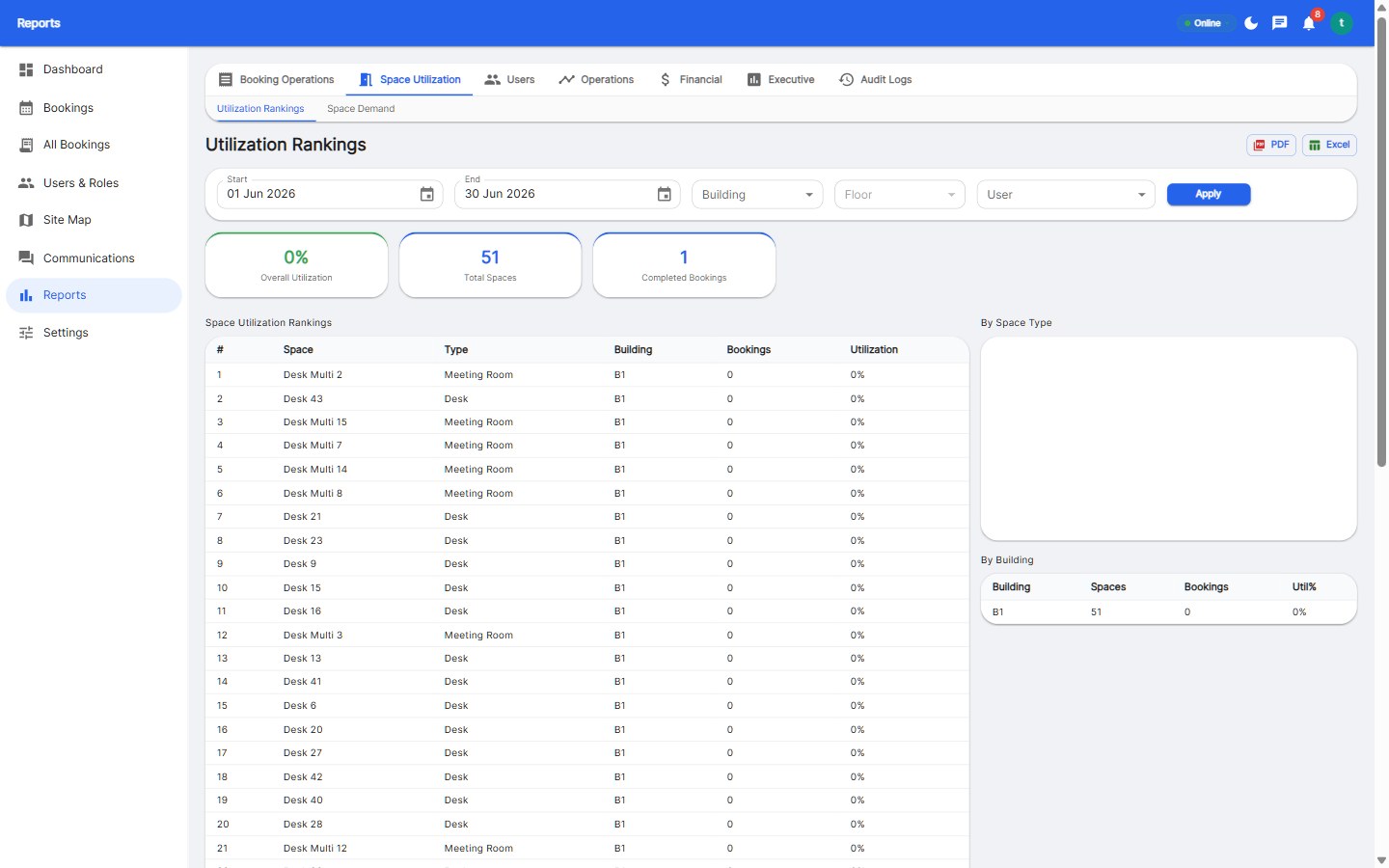
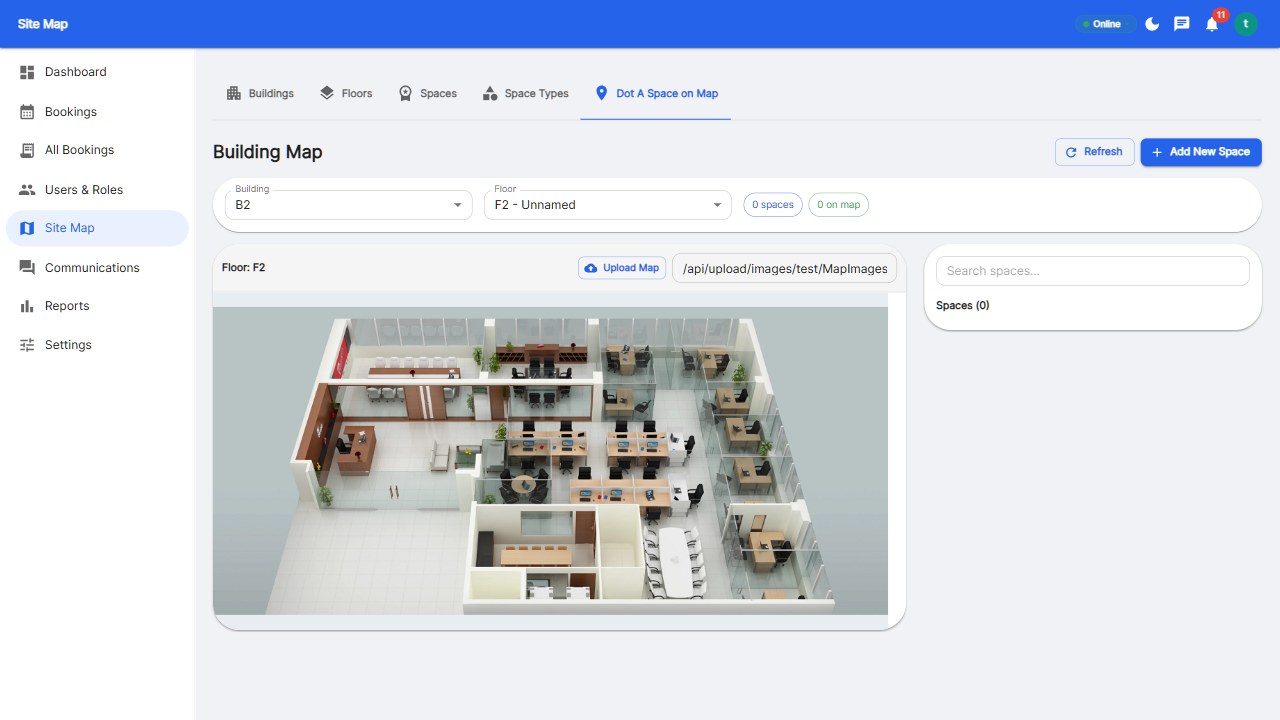
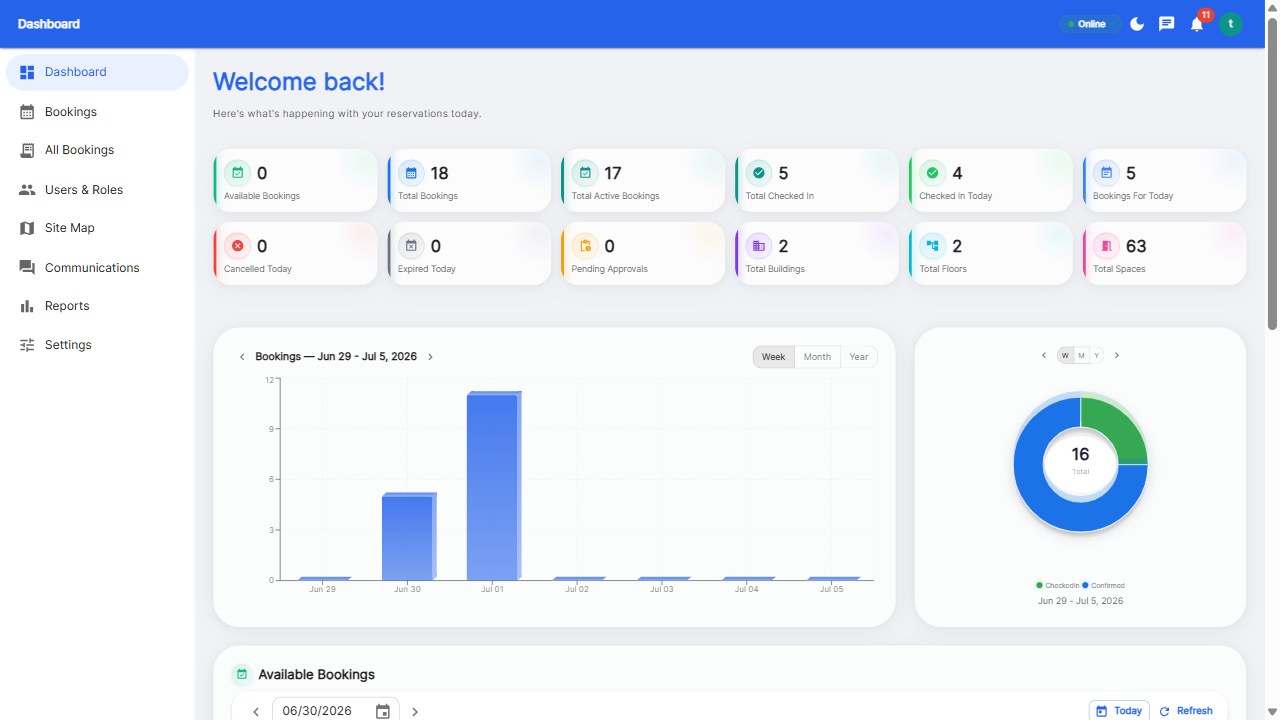
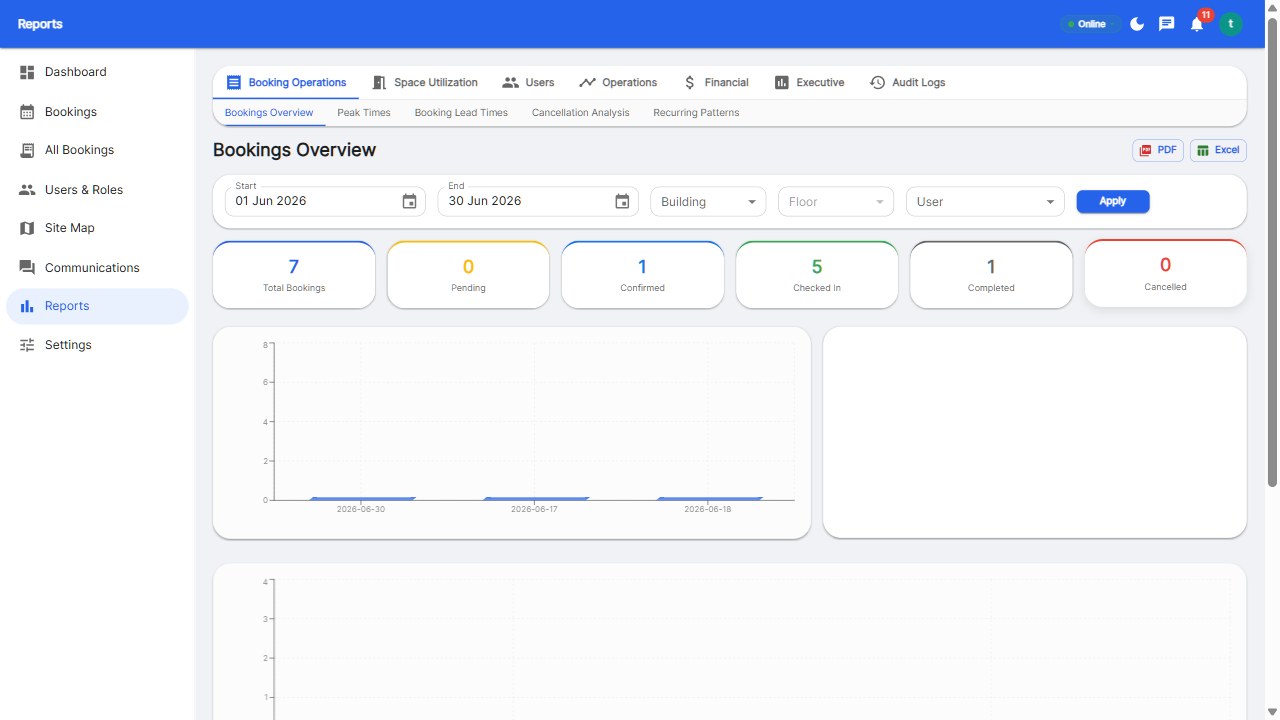
Reservete provides the occupancy analytics, utilization reports, and booking data you need to understand how your office is actually used. Start your 30-day free trial and get the data you need to optimize your workspace.