HR Owns the Hybrid Experience
Hybrid work policies sit at the intersection of culture, compliance, real estate, and technology. HR leaders are uniquely positioned to design policies that balance business needs with employee well-being. A poorly designed hybrid policy drives attrition. A well-designed one becomes a recruiting advantage. This guide covers what every HR leader needs to know about building a hybrid work policy that actually works.
1. Define Attendance Expectations Clearly
Ambiguity is the enemy of hybrid work. Employees need to know exactly what is expected. The most successful policies fall into three categories:
Structured Hybrid (Most Common)
Employees are required to be in the office a specific number of days per week or month. Example: 3 days per week, with team coordination for which days. This works well for established companies with collaborative cultures. The key is flexibility within structure — employees choose which 3 days, coordinated with their team.
Flexible Hybrid (Growing Trend)
No minimum office days, but the office is positioned as the best place for collaboration, mentoring, and culture-building. Managers are trained to make the office compelling, not mandatory. This works for trust-based cultures and companies competing for talent. The risk: without structure, the office can become a ghost town.
Role-Based Hybrid (Most Complex)
Different departments or roles have different attendance requirements. Engineering has full flexibility; customer support works from the office 4 days/week; sales is in the office for team meetings only. This requires clear documentation and communication. It also risks creating a 'two-class' culture if not managed carefully.
2. Build Fairness Into the System
Hybrid work creates new fairness challenges. HR must address these proactively:
- Proximity bias: Employees in the office more often get more facetime with managers and more career opportunities. Mitigation: train managers to evaluate performance based on outcomes, not presence. Run promotion and compensation reviews blind to office attendance.
- Desk inequality: If some employees have assigned desks (executives) while others hot desk, resentment builds. Solution: either everyone hot desks (with accommodations for medical needs), or hot desking is positioned as a benefit ('you get to choose where you sit each day').
- Meeting equity: Hybrid meetings where some people are in a room and others are on video consistently disadvantage remote participants. Policy: if one person is remote, everyone joins from their own device — even people in the office. No 'room of people and one remote person on a screen.'
- Career impact: Employees worry that remote workers will be first to be laid off or last to be promoted. HR must have data showing that remote and hybrid employees have equal promotion and retention rates — and communicate this data transparently.
3. Technology That Supports the Policy
Your hybrid policy is only as good as the tools that support it:
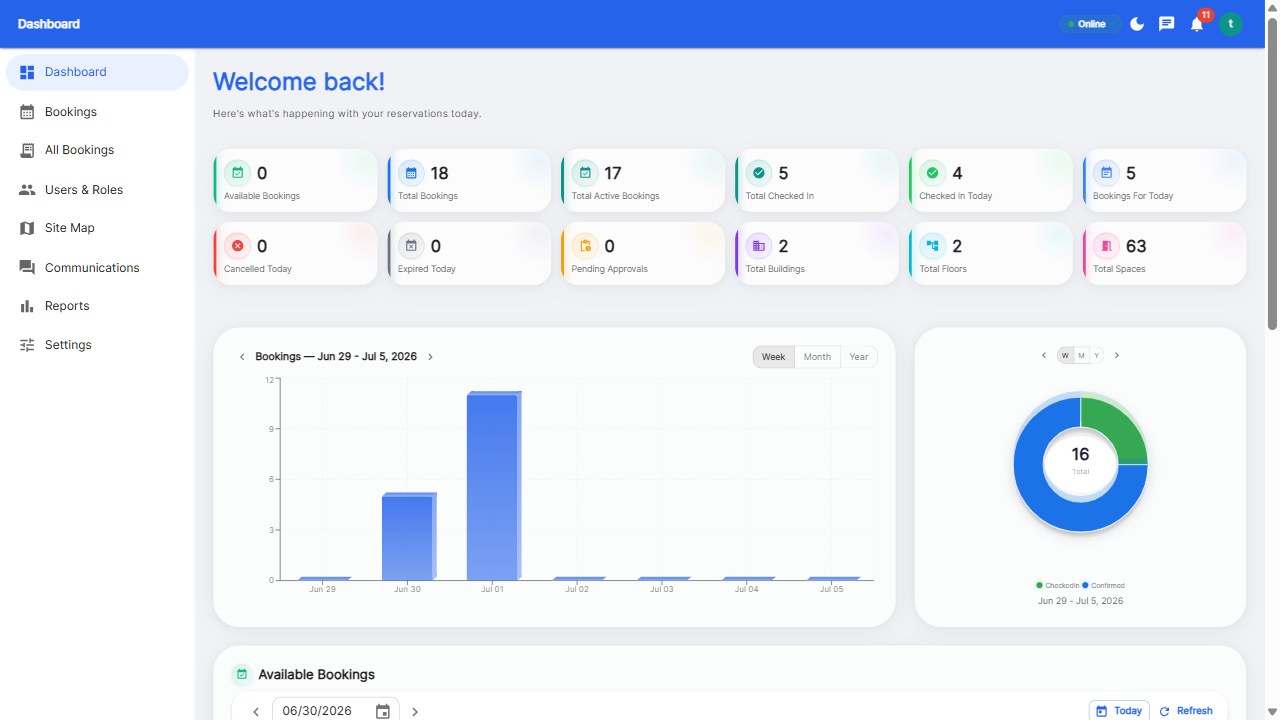
- Desk booking software is essential for any hybrid office with unassigned seating. Employees need to see desk availability, book in advance, coordinate with their team, and check in on arrival. Without it, the office experience is frustrating and employees will resist coming in.
- Calendar visibility — employees should be able to see which colleagues are planning to be in the office on which days. This is the #1 factor in employees choosing which office days to book.
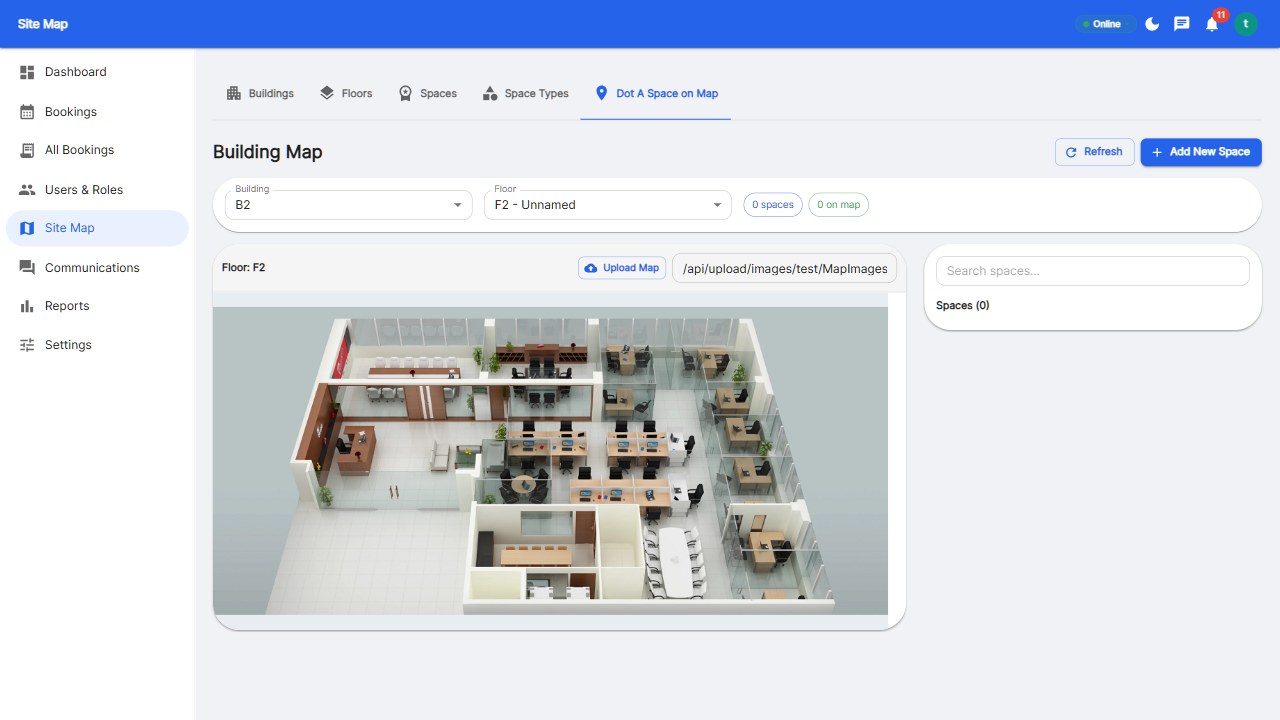
- Room booking integration — nothing is more frustrating than coming to the office for a meeting and finding all rooms booked. Your desk booking platform should include meeting room scheduling.
- Communication platform — Slack, Teams, or the built-in chat in your desk booking platform. The office communication culture should be the same whether people are in the office or remote.
4. Compliance and Legal Considerations
Hybrid work policies have legal implications. HR must ensure:
- Wage and hour compliance: For non-exempt employees working hybrid schedules, ensure accurate time tracking regardless of location. Remote work can blur the line between work and personal time.
- Workers compensation: Clarify what is and is not covered when employees work from home. Home office ergonomic assessments should be offered.
- Data security: Employees working from home need clear policies on handling sensitive data, using VPNs, and securing home networks. This is especially important for regulated industries (finance, healthcare, legal).
- Accommodations: The ADA still applies. Employees with disabilities may need accommodations whether they work from home, the office, or both. Your desk booking policy should have clear accommodation procedures.
- Cross-state employment: If employees work remotely from different states, HR must comply with each state's employment laws, tax requirements, and benefit regulations.
5. Communication: The Policy Is Not Enough
Publishing a policy document is just the beginning. The most successful hybrid implementations communicate in multiple waves:
- Announcement (4 weeks before): CEO email explaining the why, not just the what. Share utilization data and employee survey results that informed the decision.
- Manager training (3 weeks before): Managers need to understand how to lead hybrid teams, avoid proximity bias, and handle policy questions from their direct reports.
- Employee Q&A (2 weeks before): Town halls, AMA sessions, and dedicated Slack/Teams channels for questions. Answer every question publicly so everyone sees the answers.
- Pilot week (1 week before): A voluntary 'try the new system' week where employees can test desk booking, team coordination, and the new office layout with full support available.
- Go-live + support: Dedicated support channels for the first month. Daily office snapshots showing which days are popular. Weekly 'how it's going' surveys for the first 6 weeks.
6. Measure What Matters
Track these metrics to know if your hybrid policy is working:
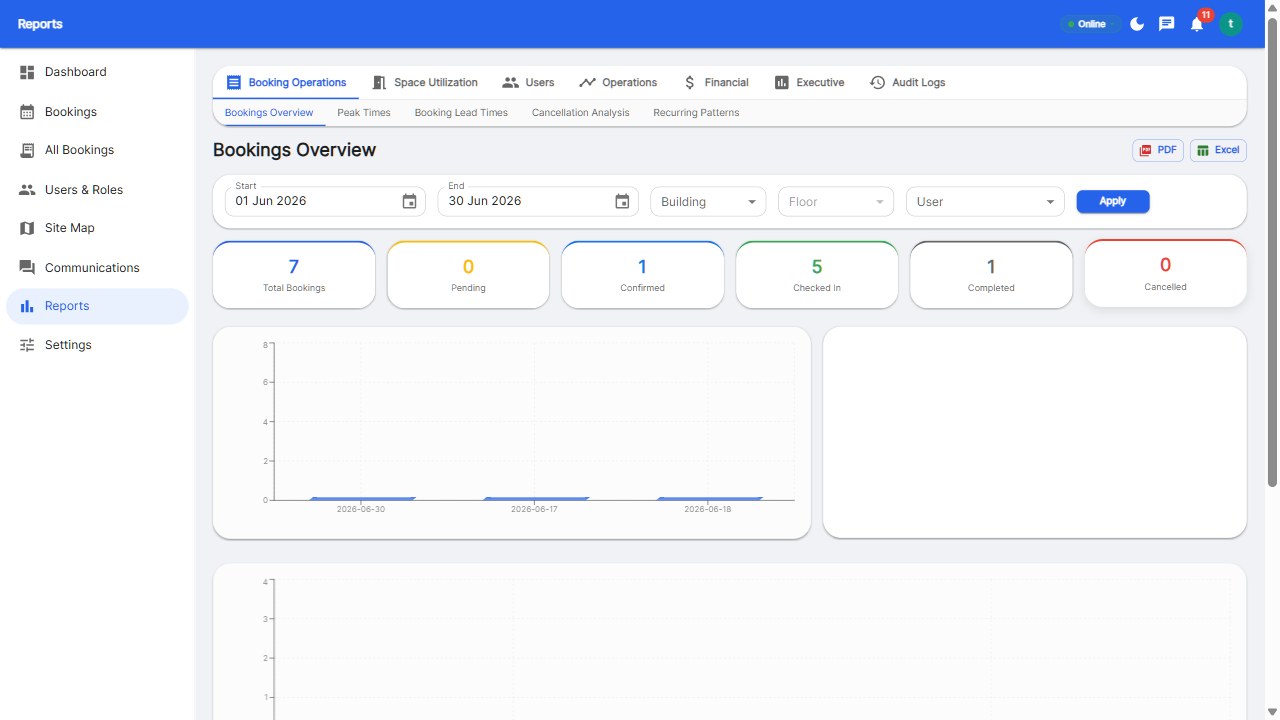
- Office attendance: Average daily occupancy, day-of-week patterns, per-department trends
- Employee satisfaction: Quarterly pulse surveys on office experience, commute satisfaction, and policy fairness
- Attrition and retention: Compare turnover rates before and after hybrid policy changes, segmented by department and role
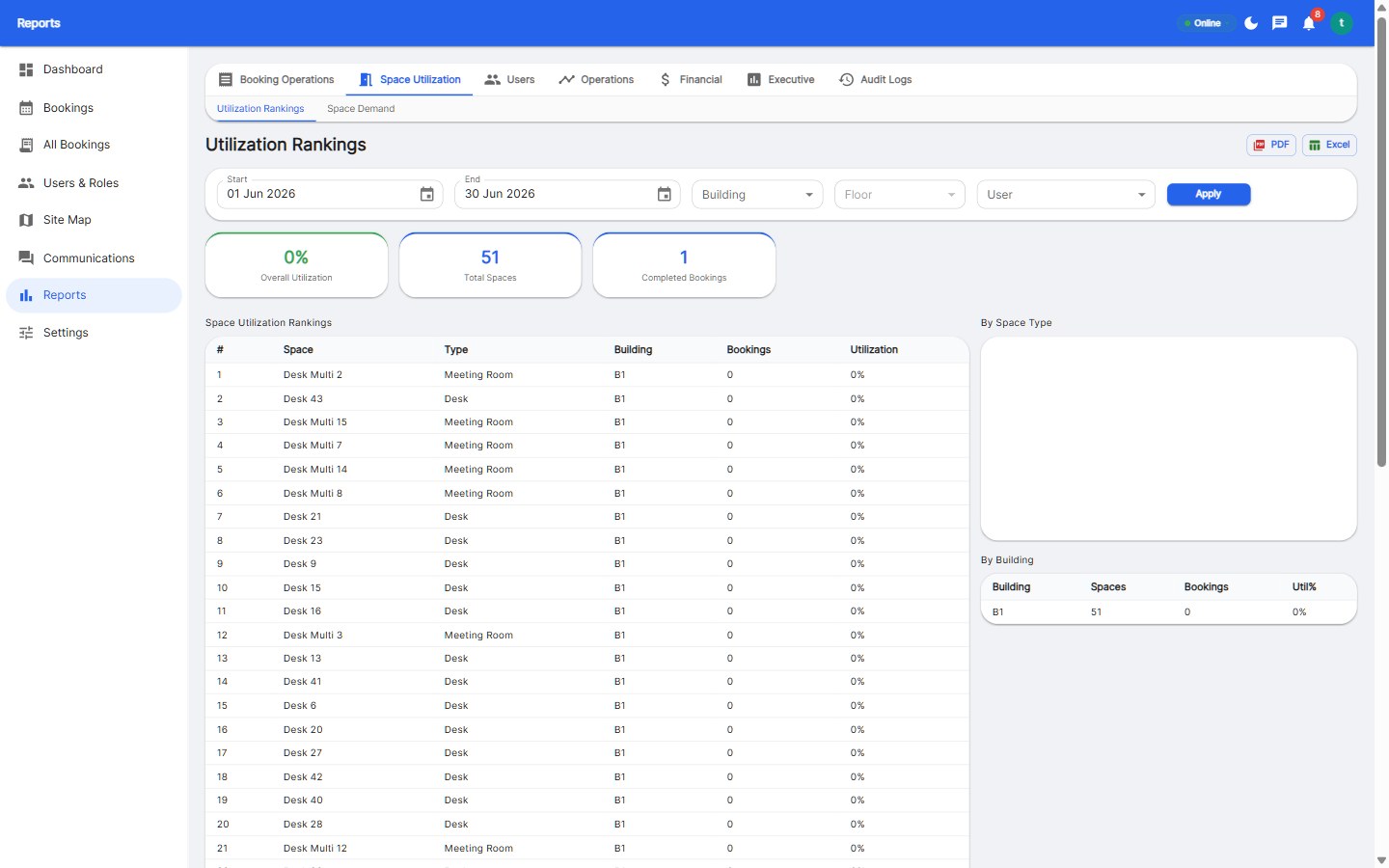
- Desk utilization: Booking rates, check-in rates, no-show rates, zone popularity
- Collaboration metrics: Cross-team meeting frequency, mentoring session rates, new hire ramp time
Build Your Hybrid Policy with the Right Tools
A hybrid work policy is only effective when supported by the right technology. Reservete provides the desk booking, team coordination, occupancy analytics, and room scheduling that turns your policy document into a working reality. Start your 30-day free trial and give your HR team the data and tools they need to build a hybrid workplace that works for everyone.