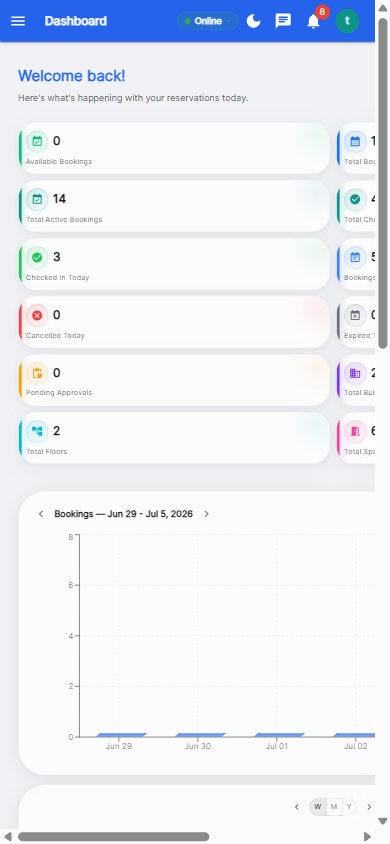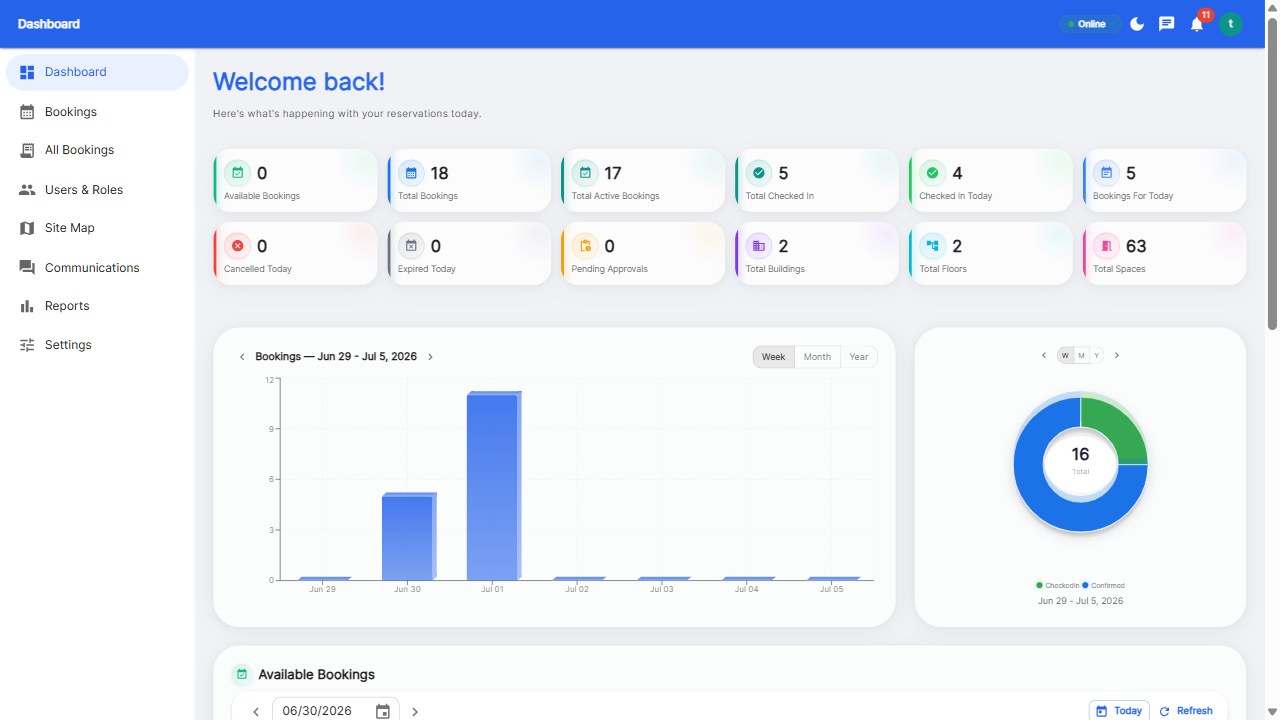
Hot desking is a workplace model where employees share desks instead of having assigned seats - anyone can sit at any available desk on any given day. In 2026, hot desking runs on booking software: employees reserve desks through a floor map, check in on arrival, and the system enforces no-show rules. The result is a flexible office that uses 20-30% less space than assigned seating.
Hybrid work broke the link between employee and desk: if people come in 3 days a week, assigning everyone a permanent desk means 40% of desks sit empty every day. Hot desking matches supply to demand - desks exist for the people who actually arrive.
Beyond space, hot desking creates serendipity. Employees sit near different colleagues, teams mix, and the office regains the spontaneous collaboration that remote work removes. It is a flexibility program, not a cost-cutting ambush - the framing determines whether employees embrace it or fight it.
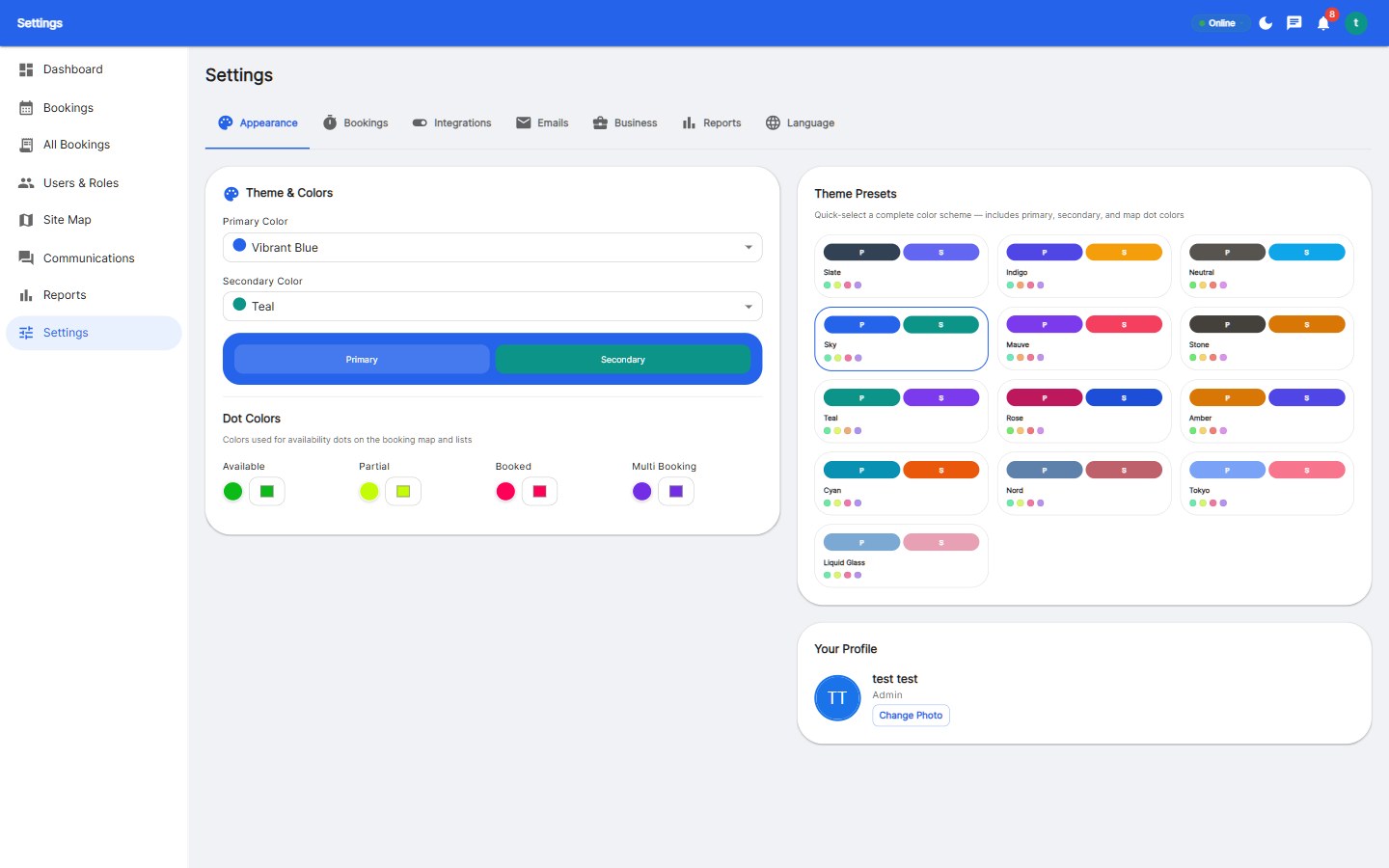
Your office layout appears as an interactive map with color-coded dots: green available, amber partially booked, red fully booked. Employees see the whole office at a glance.
Employees book a desk in under 10 seconds from mobile or web - building, floor, desk, confirm. Recurring bookings handle weekly anchor days automatically.
On arrival, one tap confirms occupancy. Check-in windows and grace periods release no-show desks back to the pool - the mechanism that keeps every desk in circulation.
Booking windows (typically 1 week ahead), fairness caps on premium desks, and published etiquette (clean desks, no overnight items, quiet zones) keep the system fair.
| Benefit | Typical impact |
|---|---|
| Space utilization | 40% better with booking data |
| No-show rate | Halved with check-in enforcement |
| Employee time | 2 hours/week saved (no desk hunting) |
| Desk count | 20-35% fewer desks needed |
Model your own office with the Reservete ROI calculator - employees, office days, desk cost, and utilization in, savings out.
Good when done right: guaranteed desks via booking, clean etiquette, and fairness rules. Bad when it means arriving to a full office. The booking system is what makes it good.
About peak daily attendance plus a 10% buffer - typically 20-35% fewer desks than headcount for hybrid offices.
Hot desking is informal first-come sharing; hoteling is advance booking of specific desks. Most 2026 offices run hoteling-style booking under the 'hot desking' banner.
Above ~20 employees, yes - live maps, check-in, and no-show enforcement are impossible in spreadsheets.
Visible booking names on the map plus check-in enforcement make squatting socially and technically impossible.
Run hot desking the way 2026 offices do.
Start your free 30-day trial at Reservete.com - no credit card required, full access to every feature.

Enterprise workspace management platform. Book desks, meeting rooms, and parking spots in seconds.
Get product updates and workspace tips.