Most desk booking software in 2026 costs between $2 and $6 per user per month, or roughly $15 to $40 per desk per month. Enterprise deployments with SSO, custom SLAs and integrations typically land between $8,000 and $40,000 per year, depending mainly on the number of bookable spaces rather than headcount.
The wide range is not an accident. Vendors price against different units (users vs desks vs sites), bundle different modules, and hide meaningful costs in add-ons. This guide breaks down what you should actually expect to pay, which pricing model fits which company, and where the hidden costs are.
The single biggest budgeting decision is the unit you are charged on.
The practical consequence: if you are hybrid and reducing your footprint, per-desk pricing almost always ends up cheaper, and it aligns your software cost with the real estate savings you are trying to achieve.
| Vendor type | Typical price | What you get |
|---|---|---|
| Free / freemium tools | $0 | Basic desk booking, no floor plans, limited reporting, no SSO or audit trail |
| SMB desk booking | $2–$4 / user / month | Desk and room booking, mobile app, basic analytics |
| Mid-market platforms | $15–$40 / desk / month | Interactive floor plans, check-in rules, parking, guest booking, SSO, reports |
| Enterprise suites | $40,000+ / year | Multi-site, approvals, SLA, custom integrations, dedicated support |
Two vendors with the same headline price can differ by 3× in what actually lands in the contract, because of the unit, the minimum seat count, and the modules included.
When you compare quotes, normalise these seven items or the comparison is meaningless.
Work the numbers from your real estate, not your headcount:
Price should track capability, not marketing. As a rule of thumb:
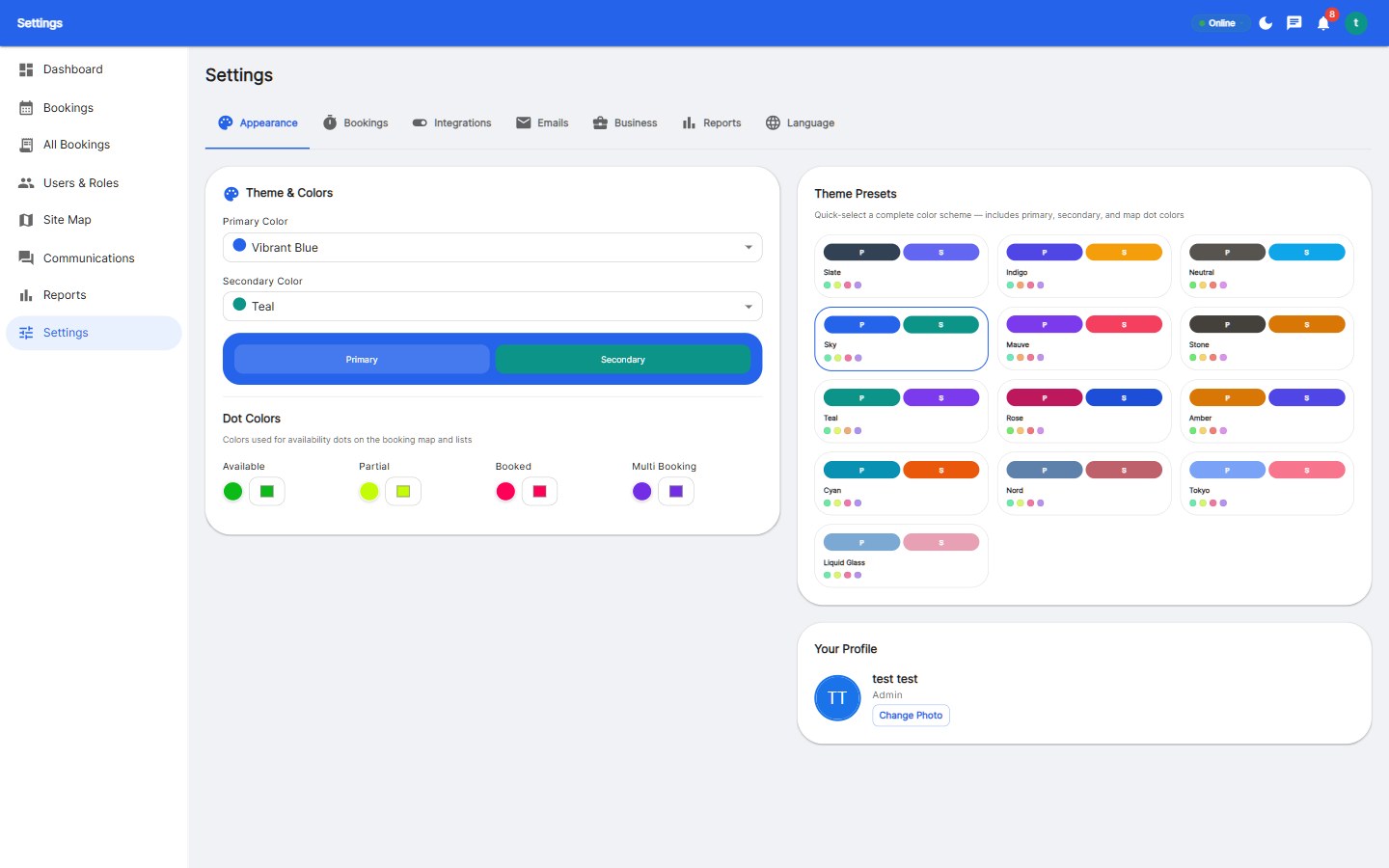
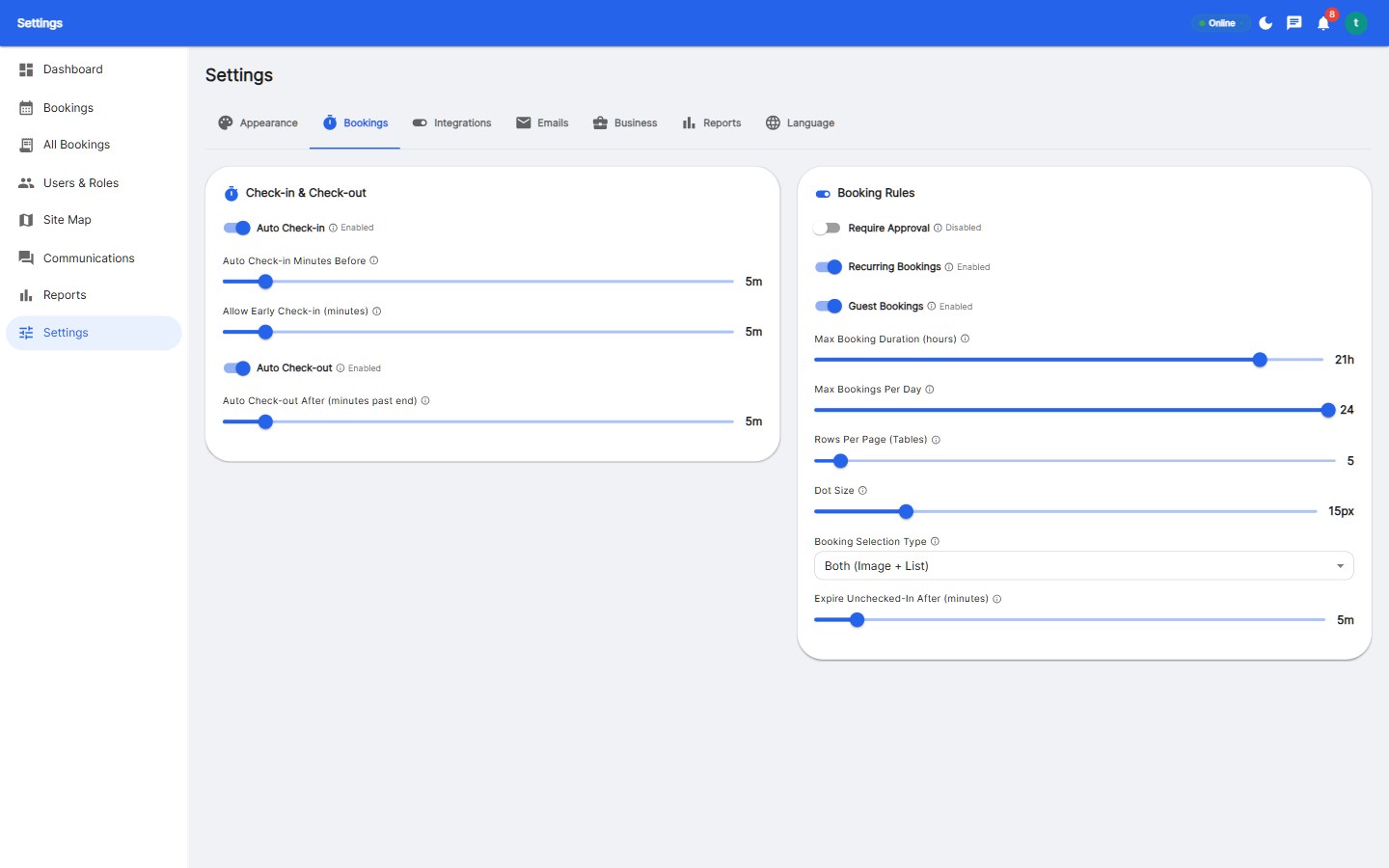
Reservete licences per workspace rather than per employee and includes floor plans, desk and room booking, parking, guest management, approvals, analytics and mobile apps in one platform, which is why the total cost usually lands below tools that charge per user and bolt on modules. You can compare the specifics on our comparison page or see transparent pricing.
For most hybrid offices above roughly 50 employees, yes. If the platform removes even a handful of unused desks, or lifts utilization enough to avoid a lease expansion, the annual saving is multiples of the licence cost. The break-even is usually a handful of desks.
If your desk-to-employee ratio is below 1:1 — which it almost certainly is in a hybrid model — per-desk pricing is usually cheaper and better aligned to the savings you are chasing. Per-user pricing only wins if you have a very high desk ratio and few spaces.
Yes, but they typically lack interactive floor plans, check-in enforcement, SSO, audit trails and reliable reporting. Free tools are fine for a small team trialling the concept, not for managing real estate decisions or security requirements.
Annual is standard, with monthly options at smaller sizes and multi-year discounts at enterprise scale. Always negotiate the renewal uplift and confirm what happens to your data if you leave.
Cloud platforms with self-service setup should cost little or nothing to implement, excluding your own time. If a vendor quotes a large professional-services fee for a single-site desk booking rollout, ask exactly what is included.

Enterprise workspace management platform. Book desks, meeting rooms, and parking spots in seconds.
Get product updates and workspace tips.