Reservete
Reservete
Back to Blog
office space consolidation
hybrid work
workspace utilization

Office Space Consolidation: How to Reduce Your Footprint Without Disrupting Teams

Sara

Head of Sales, Reservete
|
Published Monday, September 21, 2026Updated September 21, 2026
Office Space Consolidation: How to Reduce Your Footprint Without Disrupting Teams
A practical playbook for consolidating office space in a hybrid world: how to use utilization data, set the right desk ratio, sequence the change, and avoid the mistakes that drive people back to bad habits.

Why consolidation is on the table now

Most hybrid offices run at 40–55% average desk utilization, which means close to half the desks you pay for are empty on a typical day. Consolidating 20–30% of your footprint is usually achievable without cancelling the office experience — provided you act on data and sequence the change carefully.

The risk is not the target; it is the execution. Consolidations fail when they cut space before understanding demand patterns, or when they remove the space teams actually use on peak days.

Step 1: Get three months of real utilization data

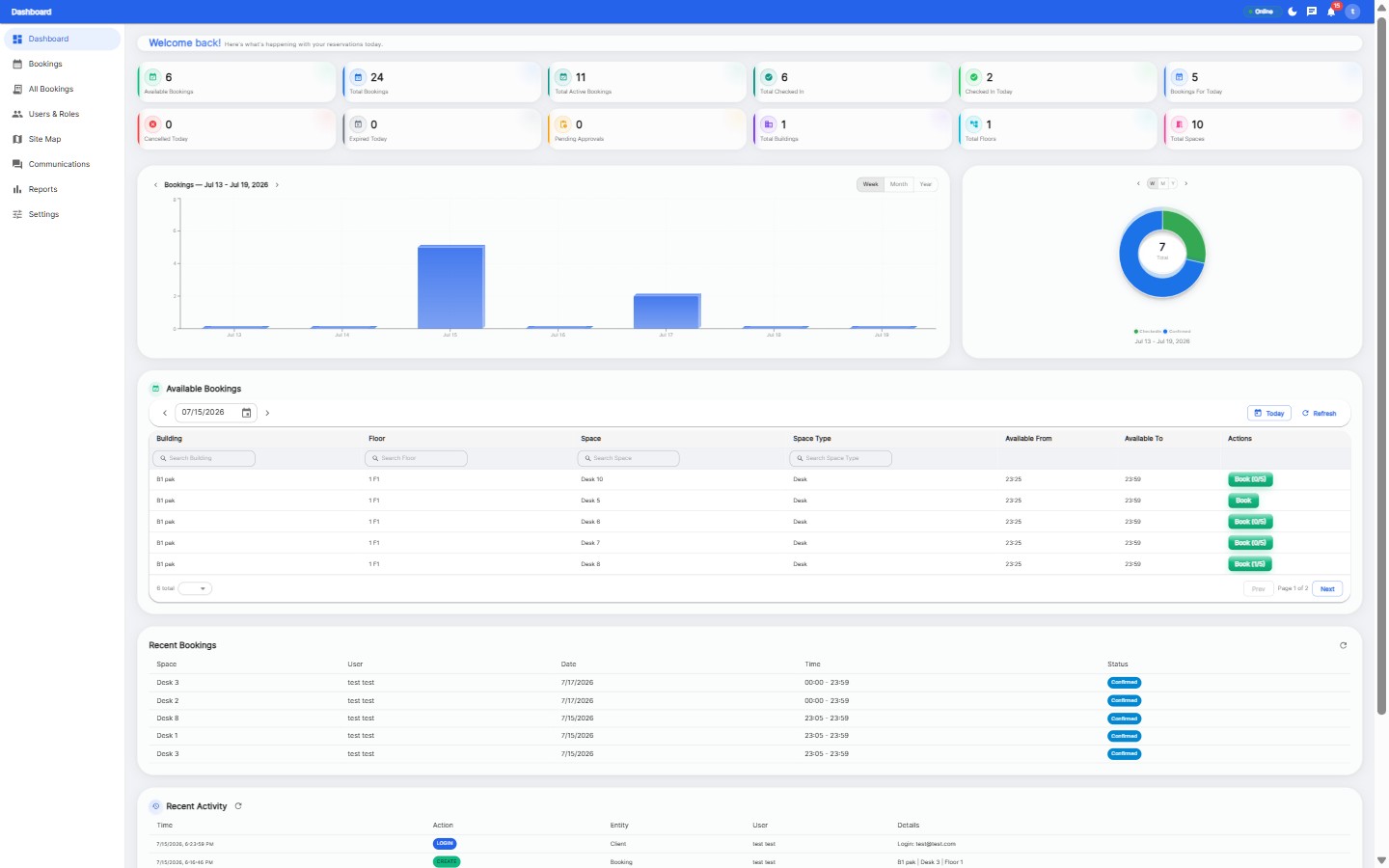
Before any decision, establish a baseline with booking data rather than badge swipes alone:

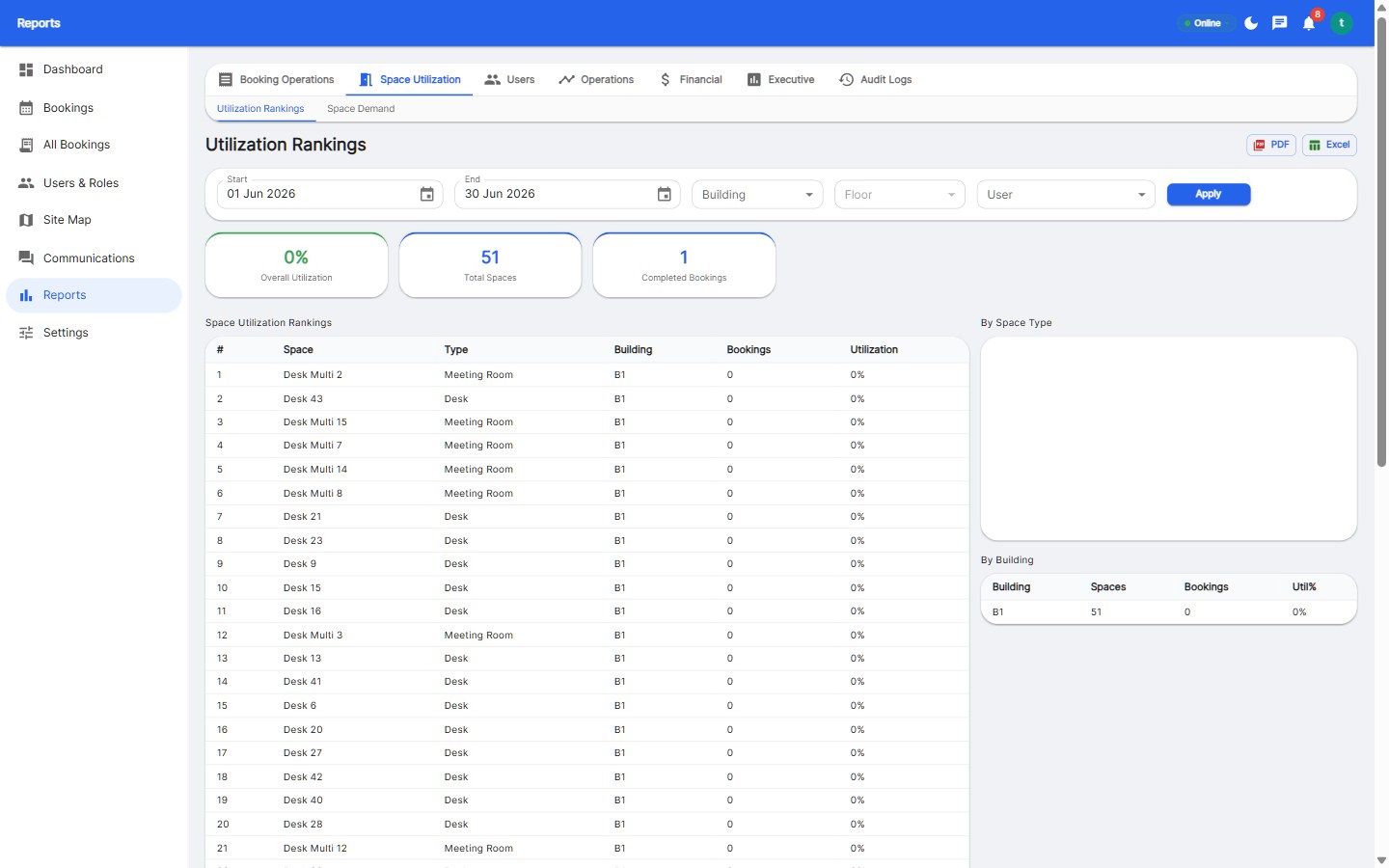
  • Average daily utilization by building and floor.
  • Peak-day utilization (usually Tuesday–Thursday) — this is the constraint, not the average.
  • Space-type split: desks versus meeting rooms versus collaboration areas. Rooms are often the real bottleneck.
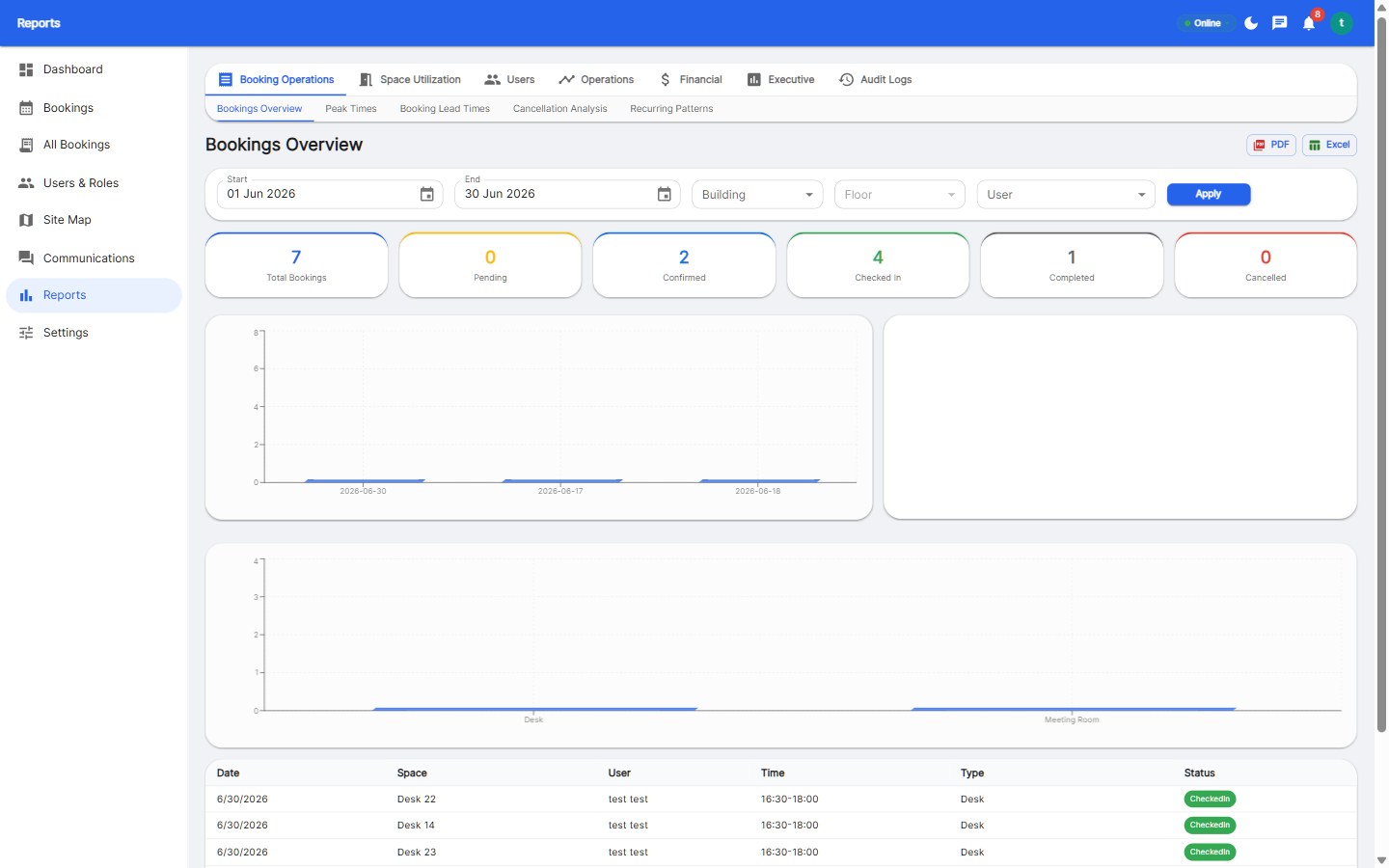
  • No-show rate, so you are not planning around reservations that were never used.

If badge data says one thing and booking data says another, trust the booking data — it reflects intent and captures space type, which badges cannot.

Step 2: Set the ratio from peak demand

Sizing on the average is the classic mistake. Size on the peak you want to guarantee.

  • If peak-day occupancy is 65% of desks, you can consolidate to roughly 0.7 desks per person and still cover the busiest days with booking discipline.
  • Most hybrid teams land between 0.6 and 0.8 desks per employee; a 1:1 ratio is only justified if attendance is near-full or highly unpredictable.
  • Keep a deliberate buffer for growth and for teams with genuinely fixed seating needs.

Step 3: Sequence the change over four quarters

Big-bang relocation destroys trust. A staged approach keeps the office usable throughout.

  1. Quarter 1 — instrument and pilot. Turn on booking on one floor, enable check-in and auto-release, and publish a weekly utilization dashboard.
  2. Quarter 2 — change behaviour. Move to hot desking on the pilot floor, set the desk ratio, and let teams nominate their zones.
  3. Quarter 3 — consolidate. Give up the least-used floor or building, and reinvest some of the saving into collaboration space and meeting-room quality.
  4. Quarter 4 — settle and review. Confirm the new ratio holds through a full seasonal cycle, then lock the next phase of savings.

Step 4: Protect the things people come in for

Consolidation usually removes desks, not the reasons to attend. Protect, and ideally upgrade:

  • Meeting rooms with reliable booking and displays — the most common reason for an office trip.
  • Team zones, so people sit near their colleagues on anchor days.
  • Quiet and focus space, which is scarcer at home than people admit.
  • The commute experience — parking, bike storage, and lockers that make attendance frictionless.

The financial case in one table

DriverExample (500-person office)
Current desks500
Average utilization45%
Target ratio after consolidation0.7 desks per person (350 desks)
Desks removed150
Annual saving at ~$18,000 per desk~$2.7M gross
Reinvestment in collaboration spaceTypically 10–20% of the saving

Model your own numbers before committing: our office space ROI calculator uses your headcount, office days, desk cost and no-show rate.

Mistakes that undo the savings

  1. Sizing on the average. You end up short on Tuesdays and empty on Fridays.
  2. Cutting rooms to protect desks. Rooms are the bottleneck for collaboration; cutting them drives attendance down.
  3. Removing assigned seating without zones. People arrive, cannot find their team, and stop coming.
  4. Announcing a target without data. Teams resist what they cannot verify; publish the utilization numbers.
  5. No check-in discipline. If bookings are not released automatically, your new ratio simply produces shortage complaints.

What to do next

Consolidation is a data project before it is a real-estate project. Instrument booking, measure for a quarter, size on peak demand, then stage the change so the office stays genuinely useful. Start with the hybrid workspace setup guide and the utilization metrics that matter most, or start a free 30-day trial to measure your own floors.

Frequently asked questions

How much office space can a hybrid company realistically cut?

Most hybrid offices can consolidate 20–30% of desks while keeping peak days comfortable, provided they size on peak demand and enforce check-in and auto-release.

How long does consolidation take?

The data phase takes about a quarter. A full staged consolidation typically runs three to four quarters, so teams experience it as an evolution rather than a shock.

Will hot desking hurt our culture?

It can, if implemented without team zones. Hot desking works when people can still sit with their team on anchor days; it fails when seating becomes random.

What metrics prove consolidation worked?

Desk utilization should rise toward 60–75%, no-show rate should fall below roughly 10%, and peak-day complaints should stay flat or decline while cost per occupied desk drops.

office space consolidation
hybrid work
workspace utilization
Back to Blog

Related Articles

Reservete
Reservete

Enterprise workspace management platform. Book desks, meeting rooms, and parking spots in seconds.

Product

Features

Pricing

Compare

ROI Calculator

Stay up to date

Get product updates and workspace tips.

© 2026 Reservete. All rights reserved.